BH Telecom is a leading telecommunications operator in Bosnia and Herzegovina, providing a broad portfolio of fixed, mobile, internet and multimedia services. Energy efficiency has become an increasingly important strategic objective, creating an opportunity to reduce electricity use not only in network infrastructure, but also in customer-premises equipment.
Process description and Project Idea Overview
The practical project of Energy Scouts Enida Cero Dinarević and team focuses on the end-to-end video-service delivery chain. The analyzed flow comprises three groups of elements: the video headend and IP/MPLS distribution system, the access network and customer set-top boxes (STBs).
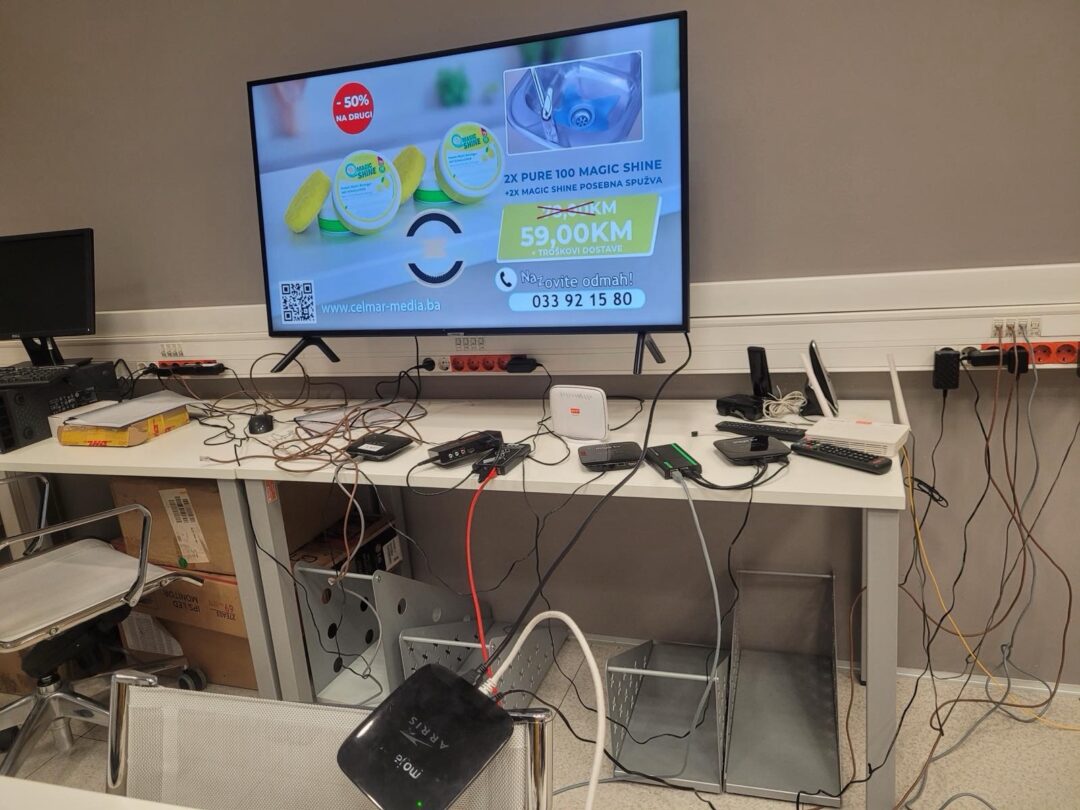
At the customer side, Linux- and Android-based STBs were analyzed in normal and standby operation. Network monitoring showed that an STB can remain in standby for around seven hours per day without degrading the video service. Measurements on actual devices showed a potential saving of 8.8% compared with the initial theoretical estimate of 23.47%. For a more realistic annual calculation, the project also introduced a conservative correction factor for periods when customer equipment may be manually switched off.
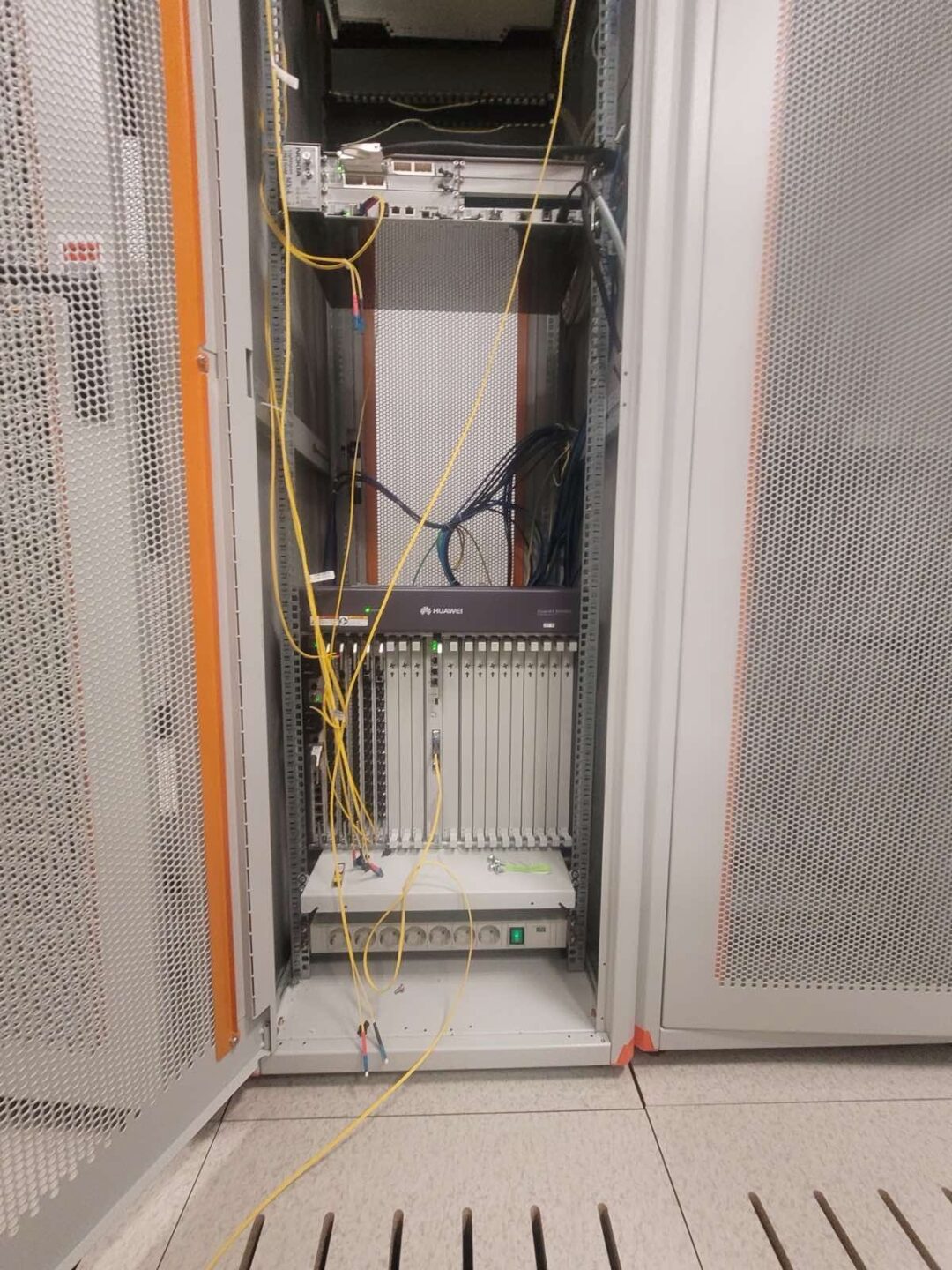
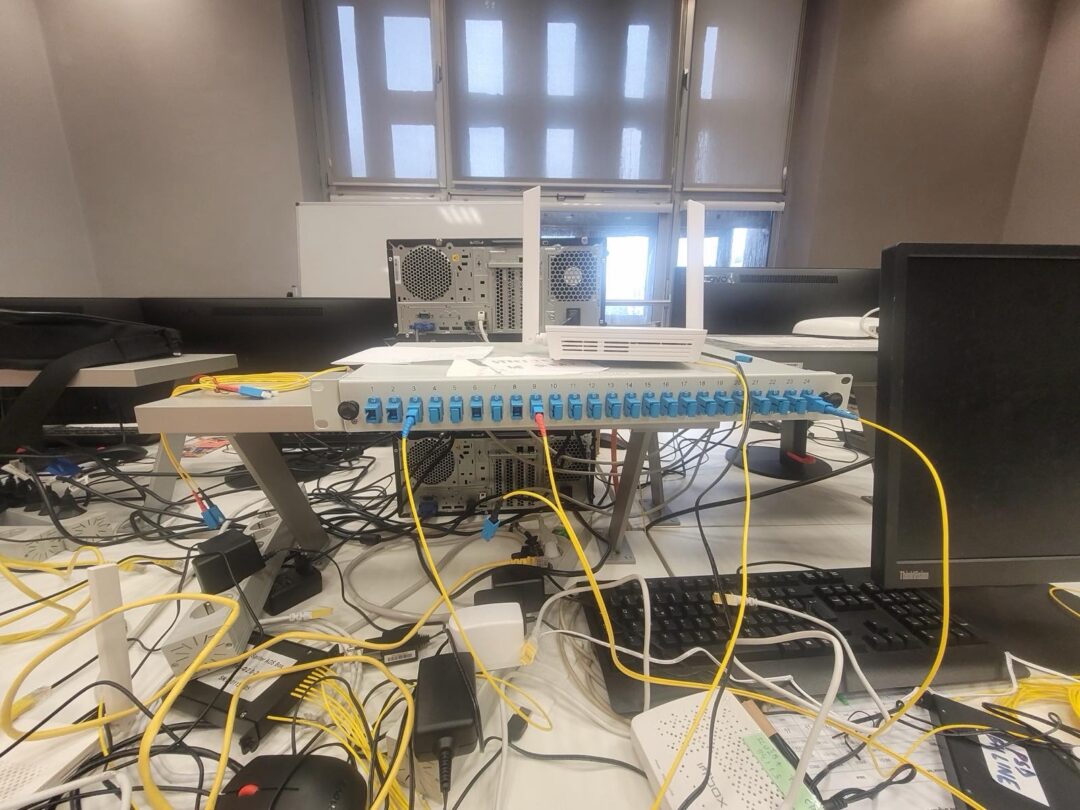
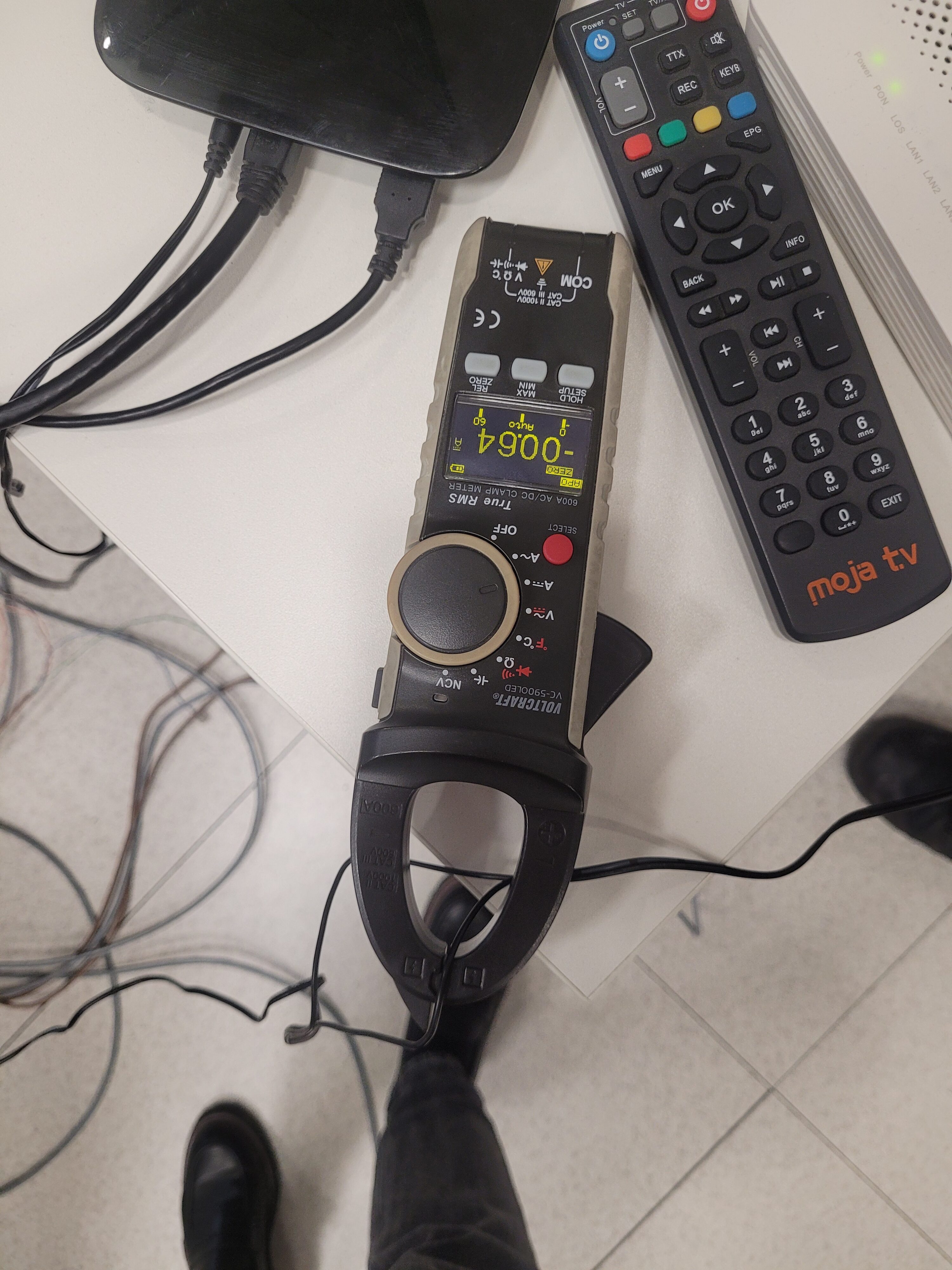
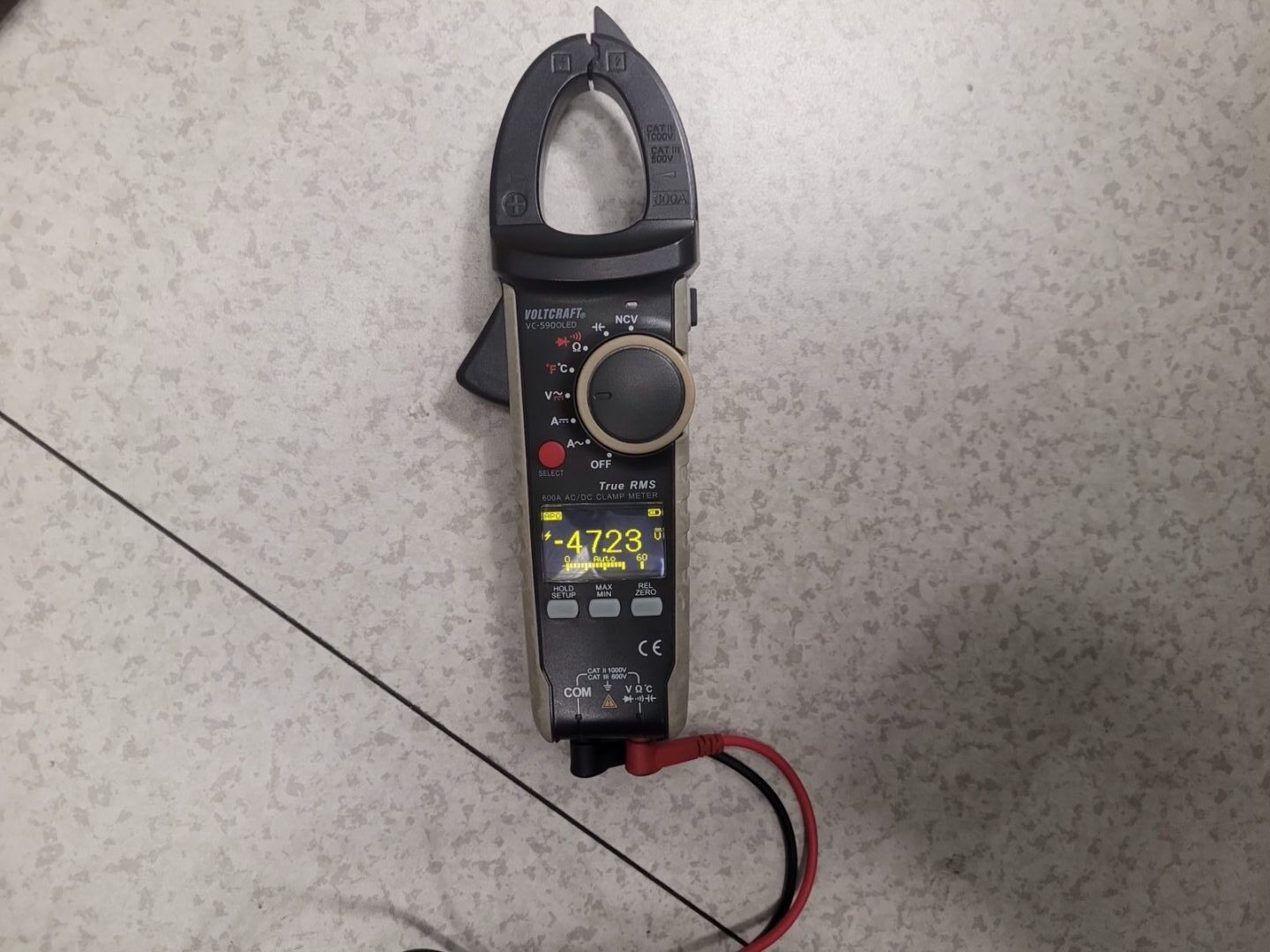
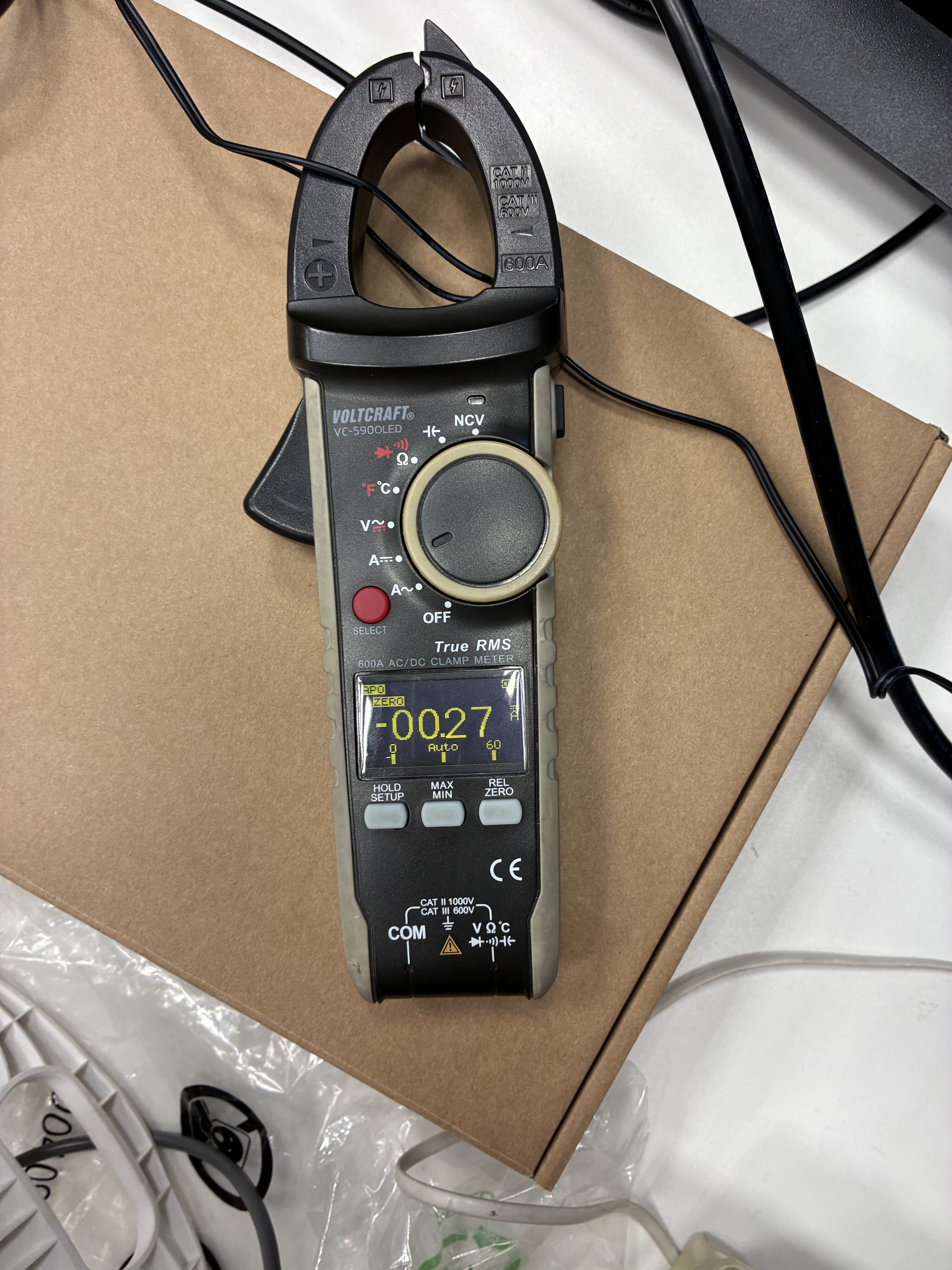
In the access network, Huawei MA5800 equipment was examined for low-power operation. A test environment was prepared, and current and voltage were measured under standard operating conditions. The project identified the possibility of reducing consumption by activating lower-power modes when traffic and service conditions allow it. The access-network measure is being evaluated in a pilot/test environment so that quality of service is protected before any wider production deployment.
In the video headend and IP/MPLS/core network, consumption data from key devices were obtained from operational systems and complemented with manufacturer documentation. Comparing maximum power consumption with optimized configurations indicates a potential reduction of about 50.5% for the analyzed core-network equipment. Across the analyzed customer, access and core segments, the project estimates an overall electricity saving of roughly 12% for the considered video-delivery chain.
Economic and Environmental Impact
Based on the final consolidated project calculation, the analyzed measures provide a potential annual electricity saving of approximately 1,470 MWh. This corresponds to around 790 tonnes of avoided CO₂ emissions per year and approximately €147,000 in annual cost savings. The project is particularly attractive because the main measures rely on software configuration, standby logic and operational optimization rather than major new infrastructure investment.
Beyond direct energy and CO₂ savings, reducing unnecessary traffic and equipment load can also decrease thermal stress on network elements and potentially extend equipment lifetime, thereby helping to reduce electronic waste.
Project Status
The project is in implementation and validation. STB energy-saving behavior has been measured on real devices, and energy consumption in the IP/MPLS/core segment has been assessed using operational data and equipment outputs. The access-network concept has reached a test/pilot stage, where low-power modes are evaluated before broader deployment. Any production activation should continue to be linked to monitoring of traffic, service quality and customer experience.
A next development step proposed by Energy Scouts is the use of artificial intelligence to detect periods of inactivity and dynamically select energy-efficient operating modes. Such an approach could generate additional savings while avoiding service degradation and unnecessary network traffic.
Energy Management
Standby Consumption
- Industry: Telecommunications
- Energy source: Electrical energy
- Energy savings potential: approx. 1.470 MWh/year
- Potential CO2 savings: approx. 790 t CO2/year
- Potential cost reduction: approx. €147.000/year
- Investment costs: N/A measures are primarily based on configuration and operational optimization; access-network pilot is still under evaluation
- Amortization period: N/A
- Company:
BH Telecom d.d. Sarajevo
Sarajevo
Bosnia and Herzegovina
https://www.bhtelecom.ba/