At Si-Em DOOEL in Skopje, North Macedonia, the upgrade of older air-conditioning units with modern inverter technology reduces electricity consumption for heating and cooling by almost 57 percent. This Energy Scout project shows that energy efficiency measures also offer significant potential for typical small, office-based companies.
Si-Em DOOEL is an accounting and bookkeeping bureau, offering services for 35 years. Its offices cover a total area of around 80 m² and consist of three separate rooms, each heated and cooled by its own air-conditioning unit. Skopje has a continental climate with hot, sunny summers averaging 26°C and cool winters around 1°C.
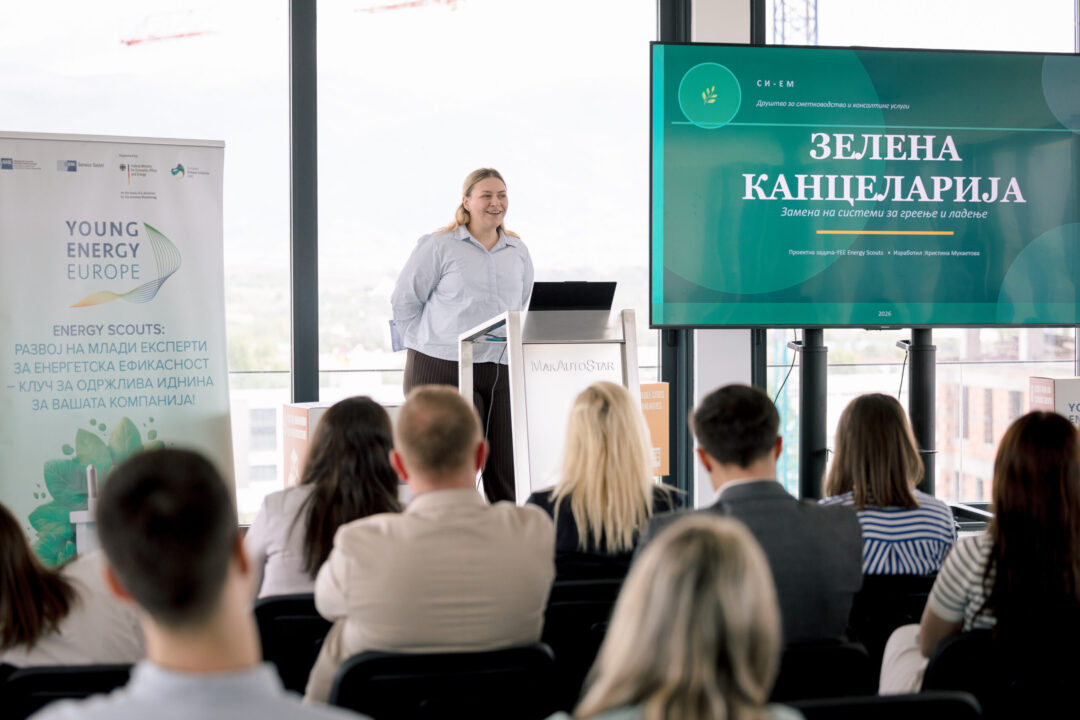
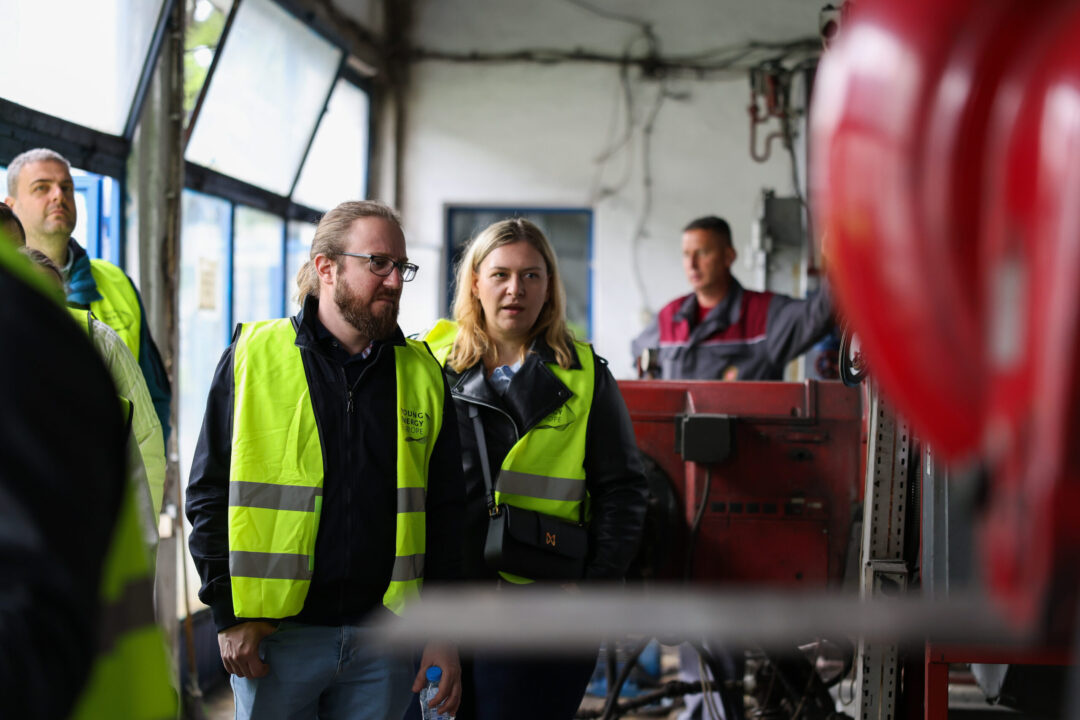
As part of the Young Energy Europe program, Energy Scout Kristina Mukaetova examined the energy consumption of the existing heating and cooling system and identified considerable potential for improving its efficiency.
Outdated air-conditioning units as an energy efficiency challenge
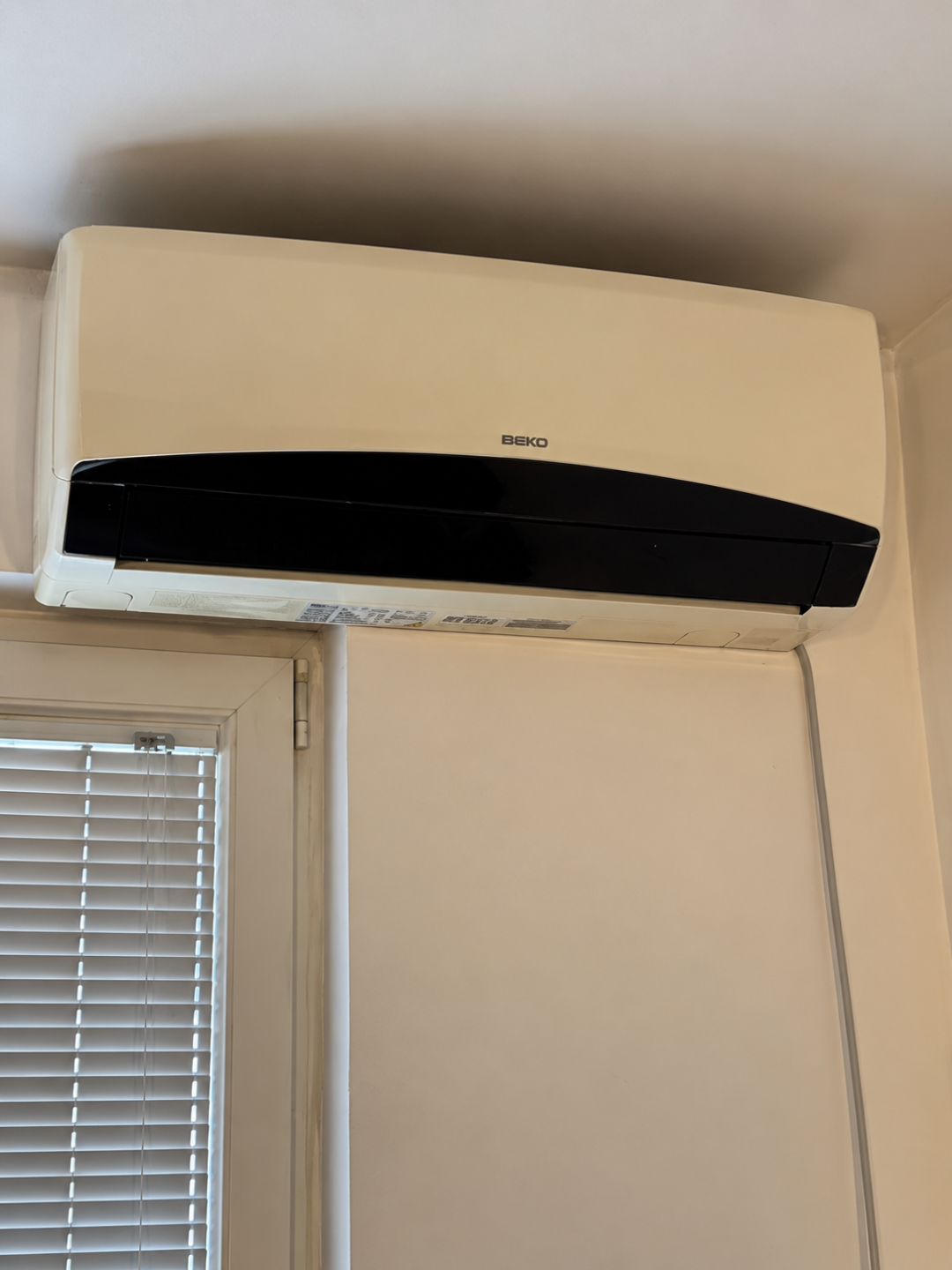
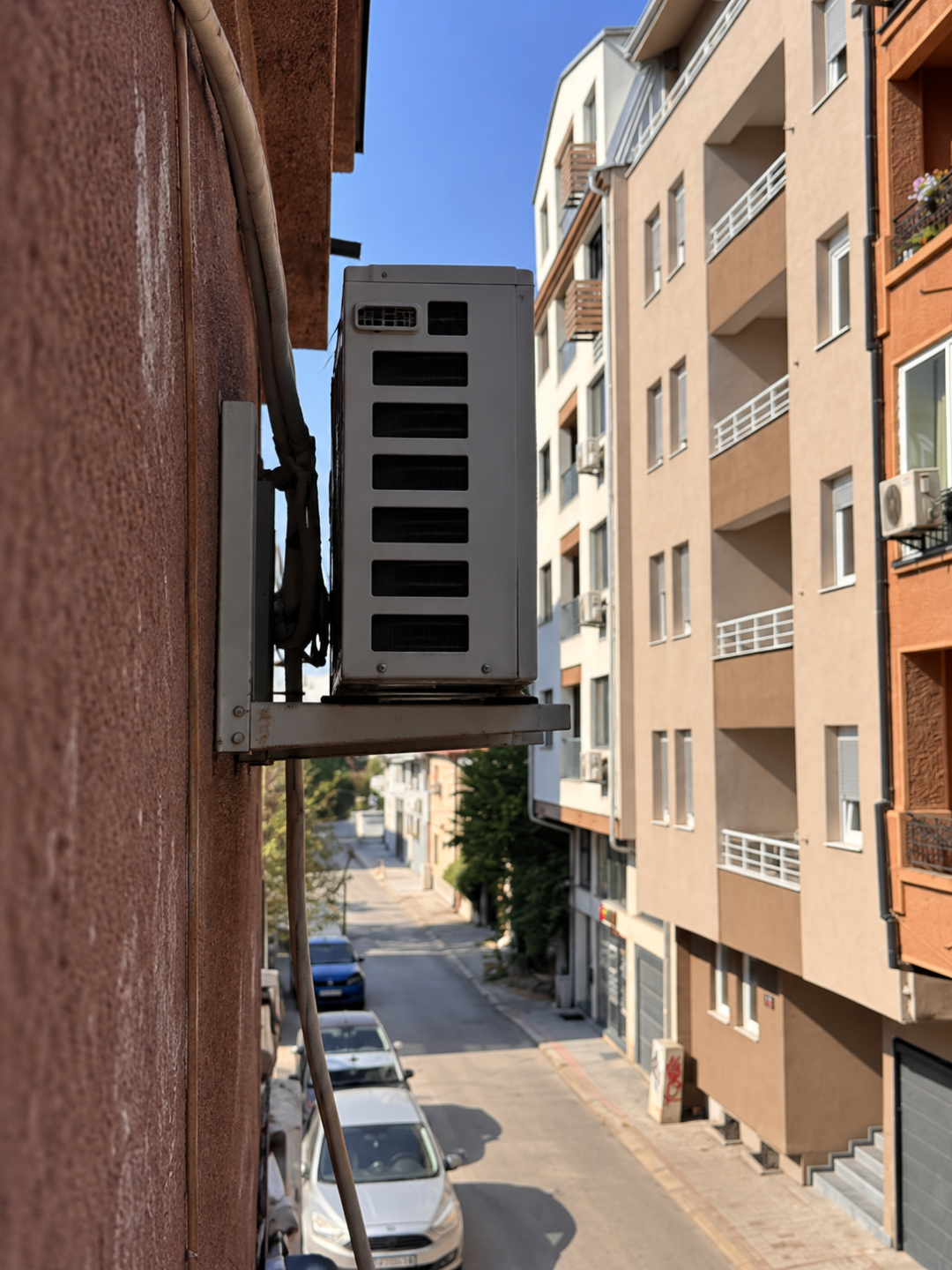
The three existing air-conditioning units were older models without inverter technology. They operated at full power of approximately 4.5–5 kW and had a Seasonal Coefficient of Performance (SCOP) of only 2.0–2.4. Despite their relatively high electricity consumption, the units were not always able to achieve the desired indoor temperature.
The Energy Scout therefore focused on a straightforward solution: replacing the three old units with modern inverter air conditioners rated A++, operating at approximately 1.8–2.4 kW and achieving a SCOP of 4.5–5.1. The higher seasonal efficiency means that significantly less electricity is required to provide the necessary heating and cooling.
According to the project calculations, annual electricity consumption for heating and cooling can be reduced from approximately 27.75 MWh to 12 MWh. This corresponds to an annual electricity saving of 15.75 MWh, or 56.8 percent.
The lower electricity consumption also results in an estimated reduction of 7.9 tonnes of CO₂ emissions per year. In addition to reducing the company’s environmental footprint, the measure contributes to lowering its operating costs.
An investment that pays off quickly
The financial figures make the measure particularly attractive for a micro-enterprise. The purchase and installation of the three new air-conditioning units requires an investment of approximately 2.195 €. Based on the electricity tariffs, the expected cost savings amount to around 5,315 € after only one year.
This results in a payback period of only 5 months and the measure is currently being implemented. The project demonstrates that energy efficiency is not limited to industrial production and large-scale technical investments. Even a small office can identify relevant savings by examining the equipment used in everyday operations.
Air Conditioning
Heating
- Industry: Accounting
- Energy source: Electricity
- Energy savings potential: 15.75 MWh/year
- Potential CO2 savings: 7.9 t CO₂/year
- Potential cost reduction: 5.315€/year
- Investment costs: 2.195€
- Amortization period: 5 months
- Company
Si-Em DOOEL
Franklin Ruzvelt 8
1000 Skopje
North Macedonia