The Zumtobel Group is an international lighting company and a leading supplier of innovative lighting solutions, lighting components and associated services. The group operates ten production facilities on three continents as well as sales and partner companies in nearly 90 countries. The Zumtobel Group factory in Niš, with more than 1,000 employees of various professional profiles, was built in 2018 as a very modern and highly energy efficient industrial complex at 40.000 m².
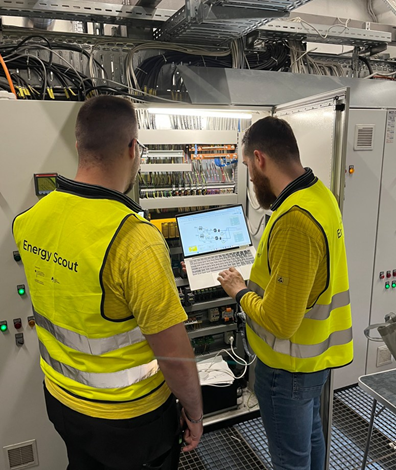
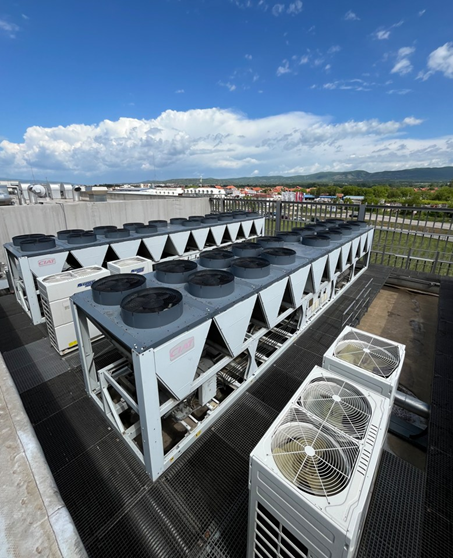
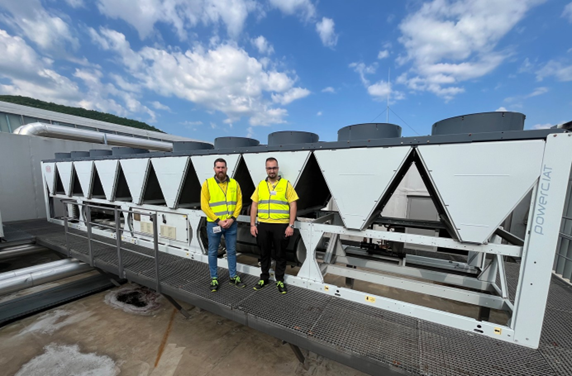
Energy Scouts Dušan Mladenov and Nikola Miladinović realized soon, the top significant energy user in the factory is the utility block. It includes the building’s heating and cooling facilities, air conditioning, compressor substation and other common technical systems. The biggest energy consumer amongst them is the cooling and air conditioning plant, which consists of three CIAT chillers with a total cooling capacity of 3 MW, so they were constantly doing some monitoring and analysis of the energy consumption.
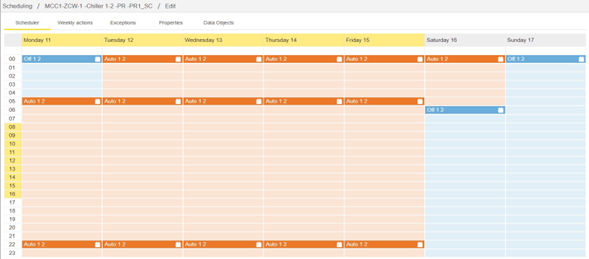
During the analysis, they identified that the cooling system was operating continuously, including weekends and other non‑working periods, regardless of the actual need for cooling. This resulted in unnecessary energy consumption, increased operational costs and additional wear of the equipment. The system lacked automated control and scheduling, which meant it could not differentiate between working and non-working hours.
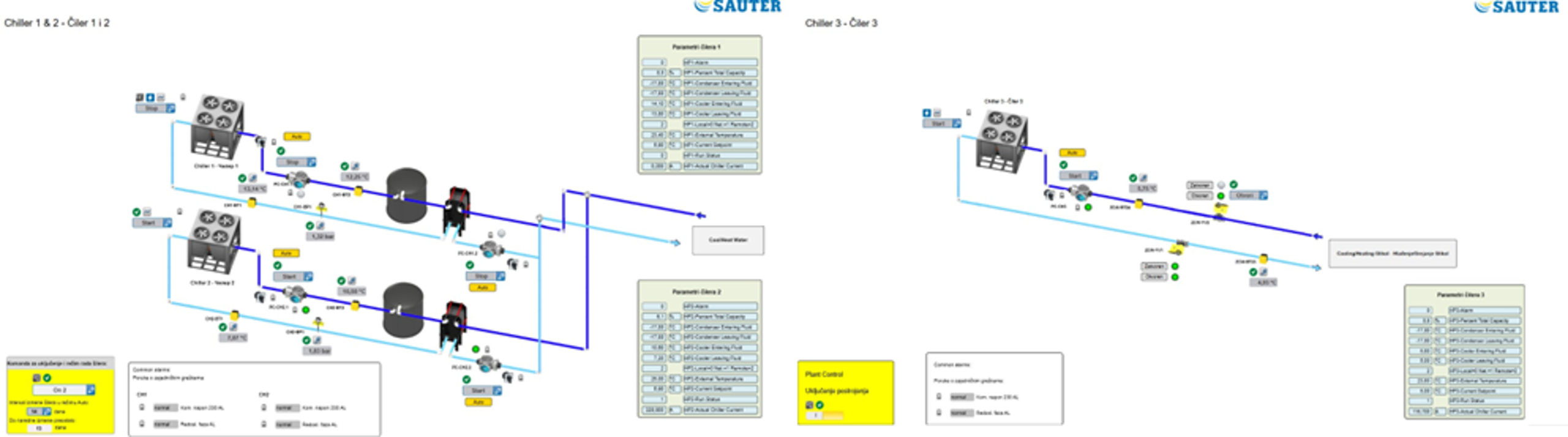
To address this challenge, the project focused on optimizing the operation of the cooling system through the Building Management System (BMS). By upgrading the existing system and implementing a Programmable Logic Controllers (PLC)-based control, they introduced automated scheduling of the chiller operation. This allowed the chillers to be automatically switched off during non-working days, while maintaining optimal comfort and air quality during working hours.
The implemented solution resulted in significant improvements in energy efficiency. The project achieved annual energy savings of approximately 83 MWh, along with a reduction of CO₂ emissions by more than 44 tons per year. In addition, the solution contributes to extending equipment lifetime and improving overall system efficiency, with a very short payback period of only a few months.
This project demonstrates how a simple and well-targeted improvement, based on data analysis and the intelligent use of existing systems, can lead to substantial energy savings, cost reduction and environmental benefits, supporting both operational efficiency and sustainability goals of the company. The project convinced the jury and won second place in the serbian competion.
Air Conditioning
Energy Management
- Industry sector: Lighting industry
- Energy source: Electrical energy
- Energy savings potential: 83 MWh/year
- CO2 savings potential: 44.21 tons CO2/year
- Potential cost reduction: 9,918 €/year
- Investment costs: 2,069 €
- Payback period: 0.21 years
- Company:
Zumtobel Group Niš (ZG Lighting SRB)
Cumtobel 1
18000 Niš
Serbia
http://www.z.lighting